


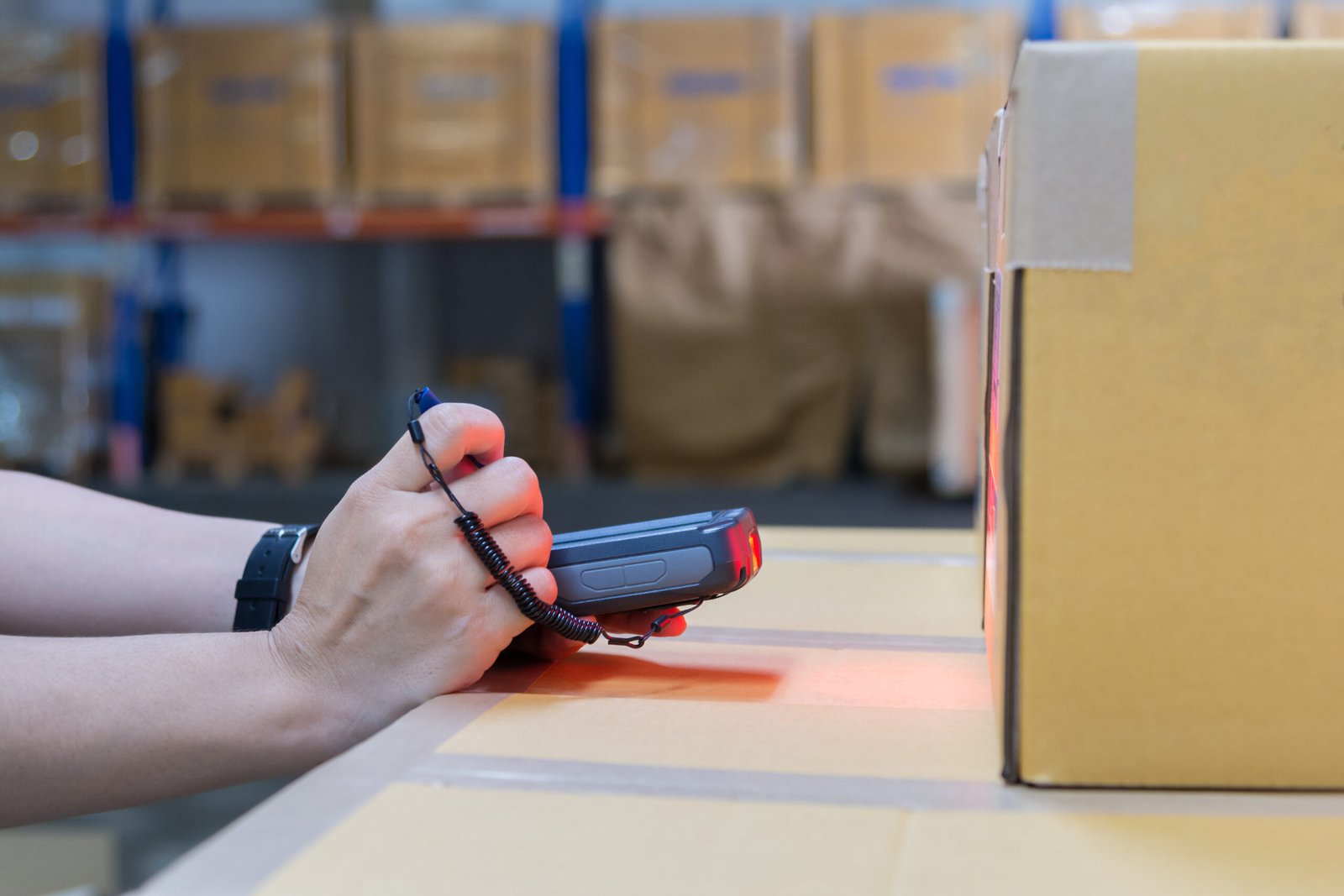
Inventory does not always disappear. Sometimes it simply becomes invisible.
This is one of the most frustrating problems in warehouse operations. Products physically exist inside the building, but the system cannot accurately locate them. Orders are delayed. Teams search shelves. Inventory reports show discrepancies even though the stock is present.
The issue is rarely theft. It is usually a process breakdown. So, let’s discuss the invisible inventory problem in modern warehouses in detail and explore how to address it with RFID technology.

How Inventory Becomes Invisible
In many warehouses, items are stored inside bins that are placed on shelves. Each warehouse bin is assigned a location in the system. Pickers rely on those recorded shelf locations when fulfilling orders.
The breakdown happens when a step is missed. Staff may forget to assign a bin to a shelf location. Items may be placed into a bin without being properly recorded. Bins may be moved without updating the system.
When that happens, the physical inventory no longer matches the digital record.
From a system perspective, the stock is missing. From a warehouse perspective, it is simply misplaced.
The result is wasted labor. Teams spend time searching instead of fulfilling. Cycle counts become longer. Confidence in inventory accuracy drops.
Why Barcode Discipline Alone Is Not Enough
Barcode systems depend entirely on correct scanning behavior. If a scan is missed or a location is not updated, the system has no independent way to detect the error.
Over time, small mistakes accumulate. Invisible inventory grows. Exception handling becomes reactive rather than proactive.
As SKU counts and bin movements increase, the risk increases as well.
How RFID Changes Visibility
RFID introduces a verification layer. Instead of relying only on manual scans, warehouses can perform periodic aisle sweeps that automatically capture all tagged bins within range.
The system can compare what is physically present against what is recorded in the database and immediately identify mismatches.
Bins without assigned shelf locations can be detected quickly. Inventory that exists physically but is not properly recorded becomes visible again.
This process turns inventory control from manual correction to automated detection. In short, RFID does not eliminate human error. It reduces the operational impact of it.
Operational Impact of RFID System
Warehouses that implement RFID verification processes often see measurable improvements. The report states that warehouses see inventory accuracy rise from 65% to 95%, with a 13% drop in hidden stock errors. The other operational impacts include:
- Search time decreases because misplaced bins are identified quickly.
- Cycle counts become faster and more accurate.
- Order fulfillment delays caused by location errors are reduced.
- Confidence in inventory data improves.
The most important change is cultural. Teams move from reacting to missing inventory problems to preventing them.
Strengthening Control with the Right System
RFID works best when paired with a structured inventory platform that maintains real-time location tracking and clear bin-level organization.
Businesses using systems such as C2W Inventory often combine disciplined barcode workflows with RFID verification to create a safety net against location errors.
This layered approach maintains cost efficiency while improving control. For example, a mid-sized e-commerce warehouse using C2W Inventory reduced invisible inventory by 85% after adding RFID sweeps. Pickers previously spent 20% of their shift hunting misplaced bins; now, automated scans flag issues in minutes, boosting order accuracy to 99.2% and cutting cycle count time by half.
Wrapping Up: A Visibility Upgrade, Not Just a Technology Upgrade
Invisible inventory is not a technology failure. It is a process vulnerability.
RFID provides an additional layer of visibility that helps warehouses detect mismatches early and correct them quickly.
For operations struggling with location accuracy and search time, RFID can transform inventory control from reactive troubleshooting into proactive management.
Sometimes the problem is not that the inventory is gone. It is that the system cannot see it. RFID changes that.