



In 2026, lot number tracking is no longer a feature reserved for regulated industries. It has become a core operational control.
When a batch issue surfaces, businesses are expected to respond immediately. Regulators expect documentation. Retailers expect answers. Customers expect transparency. The ability to trace a lot number instantly can determine whether an issue is contained quietly or escalates publicly. In fact, the average product recall costs more than $10 million (for a food company), making speed and accuracy in traceability a financial necessity, not just a compliance requirement.
Lot number tracking 2026 is not about extra paperwork. It is about building a warehouse system that holds up under pressure.
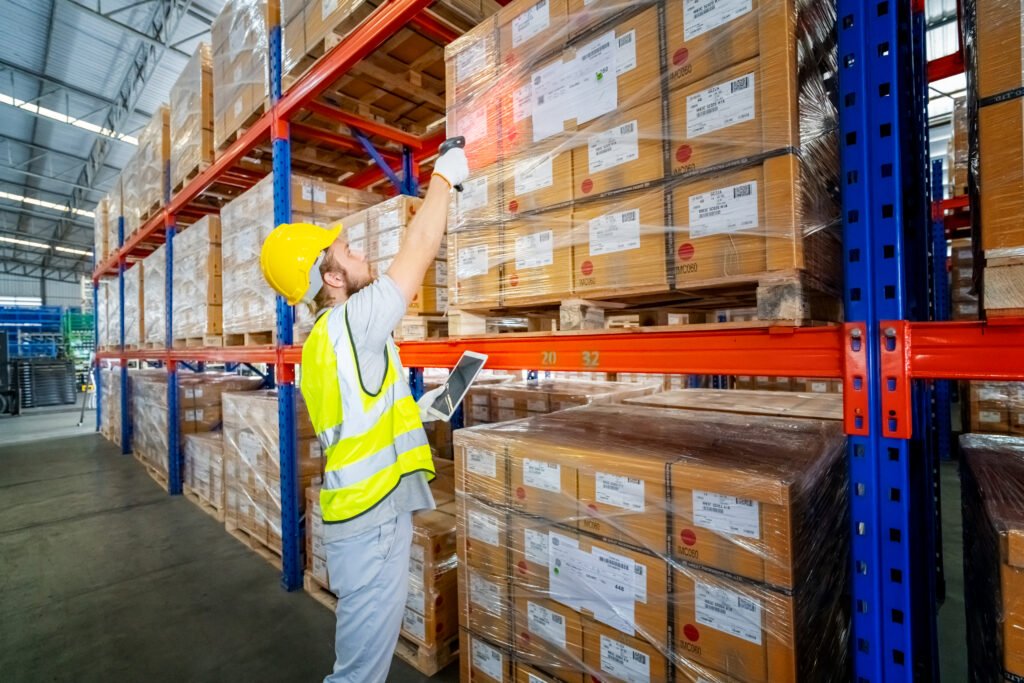
What Lot Number Tracking Means in 2026
Lot number tracking assigns a unique identifier to a batch of inventory and tracks that batch from receiving or production through storage, movement, and sale.
Each lot connects inventory to:
- A production run
- A supplier shipment
- Inspection or quality records
- Expiration dates
- Customer distribution history
Lot Number Tracking 2026 requires both backward and forward traceability. Backward traceability identifies where the batch came from. Forward traceability identifies exactly who received it. In 2026, reconstruction after the fact is not enough. Traceability must be searchable and immediate.
Why Lot Number Tracking 2026 Is More Critical Than Before
Regulatory Enforcement Is Stricter
Agencies such as the U.S. Food and Drug Administration and the USDA expect digital batch-level records during inspections. Manual spreadsheets are rarely viewed as sufficient when audit timelines are tight.
Recall Windows Are Shorter
Retail partners expect suppliers to isolate affected shipments within hours. In a multi-channel environment, delays increase financial exposure and reputational damage.
Inventory Moves Faster
With ecommerce, wholesale, and retail running simultaneously, one defective lot can reach hundreds of customers quickly. Lot Number Tracking 2026 must function across all channels without manual cross-checking.
Customer Expectations Have Shifted
Consumers increasingly care about sourcing, expiration, and transparency. Batch-level visibility supports brand credibility.
As distribution complexity grows, traceability must be embedded in daily workflow.
Where Manual Lot Tracking Breaks Down
Many operations still rely on spreadsheets or handwritten notes to track batches. That approach may appear manageable during routine days. It becomes risky during audits or recalls.
Common failure points include:
- Duplicate or inconsistent lot entries
- Quantities not accurately tied to specific batches
- Loss of lot traceability during transfers
- Delays in identifying remaining affected inventory
When teams are forced to reconstruct batch history under time pressure, mistakes happen. Lot Number Tracking 2026 demands structured digital systems that prevent these breakdowns before they occur.
How Modern Lot Number Tracking 2026 Systems Operate
Effective lot tracking is built directly into operational transactions.
Mandatory Lot Assignment
Inventory cannot enter available stock without a lot number attached. This removes dependency on optional notes.
Location-Level Batch Visibility
Each lot is tied to bins or warehouse zones. Managers can see not only total SKU quantity but exact batch quantities by location.
Movement by Lot
Transfers, picks, adjustments, and sales deduct quantities by lot number, preserving traceability throughout every transaction.
Instant Forward and Backward Reports
Entering a lot number generates:
- All customer shipments tied to that batch
- Remaining stock by warehouse location
- Associated purchase orders
This turns recall response into execution rather than investigation.
Smart Automation in Lot Number Tracking 2026
Automation reduces human error and increases response speed.
Barcode-Based Lot Scanning
Warehouse teams scan lot-specific barcodes during receiving and picking. This prevents incorrect batch selection and reduces data entry errors.
Expiration and Rotation Control
Systems automatically apply FIFO or FEFO logic and alert teams to batches nearing expiration.
Immediate Recall Reporting
A lot search generates structured distribution reports within seconds.
Accounting Integration
When lot-tracked inventory integrates with systems such as QuickBooks Online, financial records reflect actual batch movement. This improves audit readiness and inventory valuation accuracy.
Automation is not about adding complexity. It is about removing guesswork.
Industry Impact of Lot Number Tracking 2026
Food and Beverage
Traceability is mandatory. Digital documentation must be available during inspections and recalls.
Supplements and Pharmaceuticals
Batch control directly affects compliance standing and public safety.
Cosmetics
Ingredient-level traceability reduces liability exposure.
Industrial Manufacturing
Lot tracking supports warranty claims and quality investigations.
Across industries, Lot Number Tracking 2026 has shifted from compliance feature to operational baseline.
How Lot Tracking Powers True Operational Resilience
Lot number tracking reflects operational maturity. It strengthens a company’s ability to respond confidently when issues arise.
A modern system should provide:
- Required lot entry controls
- Real-time batch visibility
- Forward and backward trace reports
- Expiration monitoring
- Barcode workflow integration
- Multi-location control
- Accounting synchronization
Integrated platforms such as C2W Inventory embed lot tracking directly into receiving, transfers, sales orders, and reporting workflows. By combining barcode scanning, batch-level visibility, and accounting integration within one system, businesses reduce recall risk without slowing operations.
The objective is not to create more administrative work. It is to design a warehouse process where traceability happens automatically.
Lot Number Tracking 2026 and Recall Containment
When a batch issue arises, the difference between a contained event and a chaotic response often depends on system design.
Organizations with structured lot tracking can isolate affected inventory immediately, identify impacted customers, and initiate corrective action quickly. Organizations dependent on spreadsheets must reconstruct shipment history manually while the clock is running.
Lot Number Tracking 2026 is not simply about compliance. It is about risk containment, operational confidence, and brand protection.
Frequently Asked Questions
What is Lot Number Tracking 2026?
Lot Number Tracking 2026 refers to structured, digital batch traceability systems that track inventory from receiving or production through sale, with real-time forward and backward reporting.
Is lot number tracking legally required?
For industries such as food, supplements, pharmaceuticals, and certain manufacturing sectors, batch traceability is often legally required and subject to inspection.
How does lot number tracking improve recall response?
It enables businesses to instantly identify which customers received a specific batch and how much inventory remains in stock, allowing faster isolation and notification.
Can small and mid-sized businesses implement Lot Number Tracking 2026?
Yes. Modern inventory management systems allow growing businesses to implement structured batch traceability without enterprise-level infrastructure.
Does lot number tracking integrate with accounting software?
When integrated with accounting platforms like QuickBooks Online, lot-level movement supports accurate inventory valuation and improves audit readiness.